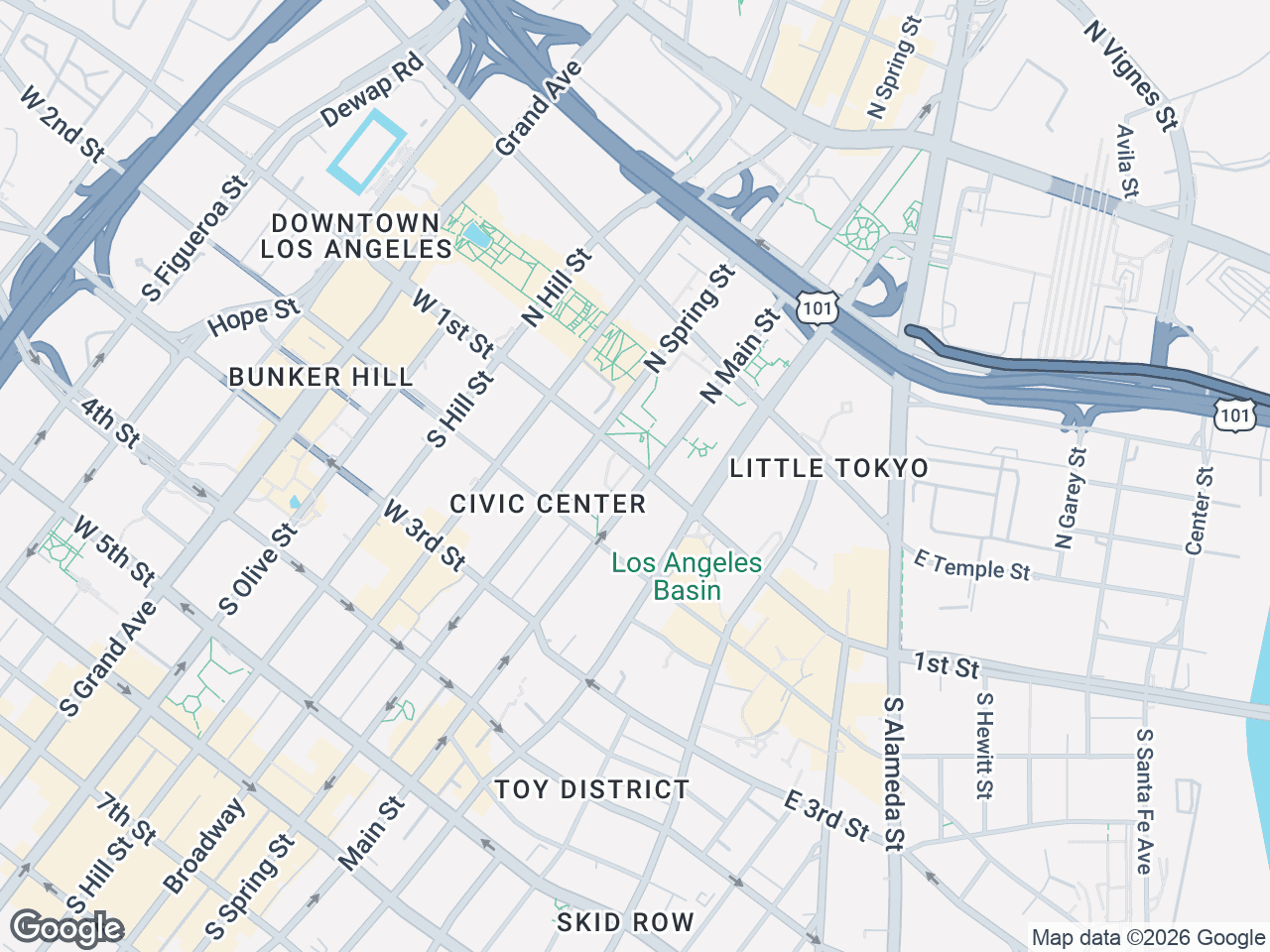




Retail location analysis examines how a site's physical setting, access, tenant context, competition, and market evidence affect a particular use. It cannot predict tenant success on its own. This guide outlines factors brokers can evaluate and explains how to present verified findings without confusing a marketing map with demographic or foot-traffic analysis.
What is Retail Location Analysis in Commercial Real Estate?
Retail location analysis is the process of evaluating a commercial property's potential based on its physical surroundings, accessibility, and synergy with neighboring tenants. While residential real estate relies on the mantra "location, location, location," commercial retail requires a more data-driven approach that quantifies why one corner is superior to another.
A comprehensive CRE location analysis goes beyond the address. It examines the interplay between traffic flow, visibility, co-tenancy, and the competitive landscape. Brokers use this analysis to identify the highest and best use for a space, set realistic rental rates, and build a narrative that attracts quality tenants.
Key Factors When You Evaluate a Retail Site
When you evaluate a retail site, you are essentially auditing the property's ability to generate foot traffic. Tenants aren't just paying for square footage; they are paying for exposure and access to a specific customer base.
Co-Tenancy and Anchor Proximity
Co-tenancy is arguably the most influential factor in retail site selection. A standalone boutique faces an uphill battle, but that same boutique positioned next to a high-volume anchor like Target, Kroger, or a popular fitness center benefits from the anchor's spill-over traffic.
National brands may be relevant co-tenancy context. Their presence does not establish the subject site's customer base or de-risk a new tenant's business plan; validate traffic and performance separately.
Visibility and Accessibility
A site might be in a dense trade area, but if drivers cannot see the storefront or easily enter the parking lot, the location fails. During your commercial property location analysis, assess:
- Ingress and Egress: Are there dedicated turn lanes? Is the curb cut positioned to avoid congestion?
- Signalization: Being on the "going home" side of the street (the right-hand side for traffic heading away from employment centers) is generally preferred for convenience retail.
- Visibility: Is the signage blocked by landscaping, power lines, or larger buildings?
Competitive Density and Synergy
You must map the competition to understand saturation, but you must also map synergy. A dry cleaner next to a grocery store is convenient; a dry cleaner next to another dry cleaner is a price war.
Effective retail location analysis identifies clusters of complementary uses. A quick-service restaurant (QSR) performs well near big-box retailers where shoppers are hungry after browsing. A bank branch seeks high-visibility corner pads with easy access to ATM drive-thrus.
The Role of Demographics and Traffic Data
It is important to distinguish between the data of the site and the presentation of the site.
To perform a deep-dive analysis, brokers typically source demographic reports (population density, median household income, age cohorts) and traffic count data (AADT) from providers like CoStar, ESRI, or local DOT databases. This quantitative data validates the trade area and ensures there are enough potential customers within a 3 to 5-mile radius to support the tenant mix.
However, raw data alone rarely closes the deal. A 50-page demographic report is useful for underwriting, but it doesn't quickly communicate the "feel" of a location to a retailer who is skimming an Offering Memorandum (OM).
Presenting Your Retail Location Analysis to Clients
Once you have gathered the data, the challenge is synthesis. How do you prove the site's value in the 30 seconds a prospect spends looking at your flyer?
The answer is visual context. Retailers think in terms of brand proximity. They want to know: "Is my competition nearby? Is my complement nearby? Is the area busy?"
This is where a retail mapping tool can support the presentation. While demographic and traffic data come from appropriate external sources, CRE Retail Maps lets brokers search brand-artwork candidates, review the match, and place selected tenants on a map.
A map showing a subject property and verified nearby tenants communicates spatial context. It should not be presented as proof that those tenants reached the same conclusions about the subject property or that the site will perform similarly.
Steps to Visualize Your Site Analysis
To create a compelling visual narrative for your listing, follow this workflow:
- Gather Your Intelligence: Run your demographic and traffic reports from your preferred data provider to establish the quantitative baseline.
- Audit the Tenant Roster: Drive the trade area or use satellite imagery to identify every major tenant within a 1-mile radius. Categorize them by industry (QSR, Grocery, Banking, Fitness).
- Map the Location: Log into CRE Retail Maps and search for the subject property.
- Review Nearby Businesses and Artwork: Search the visible map area, review and select relevant business results, then verify the artwork candidate for each tenant before placement.
- Group by Category: Use drag-to-group containers to cluster tenants by type (e.g., "Dining," "Anchors," "Services"). This helps prospects scan the map efficiently.
- Style and Export: Choose among the nine map styles, adjust the color scheme, and use Pro to export a 2D PNG or JPG up to 8,000 pixels, a 3D image up to 4,096 pixels, or one of five PDF layouts.
Conclusion
Mastering retail location analysis requires a dual approach: rigorous data collection and clear visual communication. You need the demographic numbers to underwrite the deal, but you need a polished map to sell the story. By clearly demonstrating the co-tenancy, visibility, and competitive landscape, you help tenants visualize their own success.
CRE Retail Maps keeps the visualization steps in one workflow, but users remain responsible for verifying locations, tenant status, artwork, and analytical claims. The Free plan supports building and previewing up to three maps; downloads require Pro.
Related guides
- Mapping software for CRE brokers - The broker-facing product
- Retail maps for OMs - Location analysis inside an OM
CRE Retail Maps Editorial Team
VerifiedCRE Software & Industry Analysis
The CRE Retail Maps editorial team produces in-depth analysis of commercial real estate technology, retail market trends, and broker workflows. Our content is reviewed by retail brokers and industry practitioners with decades of combined experience covering grocery-anchored, power center, and lifestyle retail across major US markets.