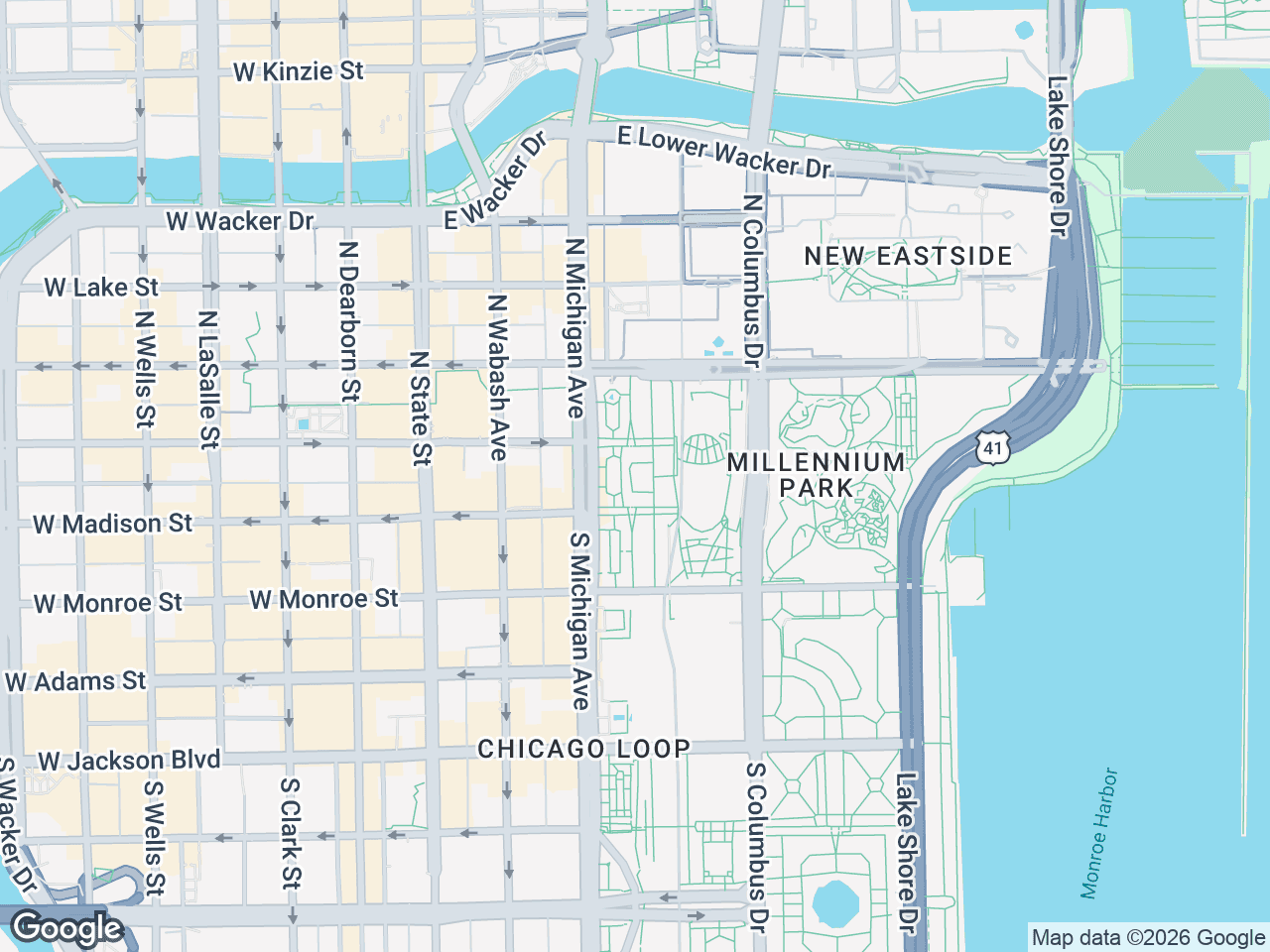



Choosing between an aerial and a retail map depends on the evidence and visual context the offering memorandum needs. An aerial can show physical context; a retail map can show selected, verified nearby businesses. Some documents use both, but neither establishes value or tenant synergy on its own.
Why the Retail Map vs Aerial Photo Debate Matters for Brokerage
An OM needs visuals that answer specific questions. An aerial shows physical context, while a styled retail map can identify selected nearby businesses. Neither establishes a property's upside or tenant strength without supporting evidence. For examples of where each visual fits, see our guide to retail maps for offering memorandums.
Aerial Photos: Strengths and Limitations
What Aerial Photos Do Best
Aerial and satellite images provide a literal, overhead view of a property and its immediate surroundings. They excel at showing:
- Building footprints and physical layout of the subject property
- Parking layout and visible access points; confirm any stated parking ratio separately
- Proximity to major intersections, highways, and access points
- Adjacent land uses (vacant parcels, residential density, topography)
- Overall scale and shape of a shopping center or retail pad
For an out-of-state investor or 1031 buyer who has never walked the site, an aerial photo grounds them in the physical reality of the location. It answers the question: What does this place actually look like from above?
Where Aerials Fall Short
Aerials show physical context, but a reader may not be able to identify businesses from imagery alone. Any claim about tenant strength, consumer draw, NOI, or cap rate requires separate current evidence and should not be inferred from either an aerial or a retail map.
Styled Retail Maps: Strengths and Limitations
What Retail Maps Do Best
Retail maps organize reviewed business artwork around a subject property. When the locations and artwork have been verified, the visual can show:
- Selected nearby businesses included in the assignment
- Relative placement of reviewed co-tenants and business categories
- Selected restaurant and service locations in the visible map area
- Other reviewed business locations chosen for context
A retail map tells a spatial story about selected nearby businesses. It does not establish the economic strength of the location or replace demographic, traffic, sales, or visitation analysis.
Where Retail Maps Fall Short
Retail maps are schematic, not photographic. They don't show building conditions, parking lot fullness, topography, or the physical relationship between structures. A buyer still needs to see the actual asset to underwrite physical risk. Retail maps also require the right styling to look professional - generic Google Maps screenshots with logo clutter can actually undermine your OM's credibility.
Retail Map vs Aerial Photo: Side-by-Side Comparison
| Feature | Aerial Photo | Styled Retail Map |
|---|---|---|
| Shows building footprints | Yes | No |
| Shows parking and site access | Yes | Limited |
| Identifies reviewed business artwork | No | With verified inputs |
| Shows selected business categories | No | With verified inputs |
| Shows visible site context | Yes | Limited |
| Establishes market positioning | No | No |
| Presentation quality | Depends on source and layout | Depends on accuracy and styling |
| Requires additional context | Yes | Yes; artwork and tenant status need verification |
| Best for | Site overview pages | Location/tenant highlight pages |
Choosing the Best Map Type for OM Sections
When to Lead with an Aerial Photo
Consider placing an aerial on an introductory site page. An overhead image with the subject property outlined, major roads labeled, and access points called out helps readers orient themselves before reviewing the financials.
When to Lead with a Retail Map
Place a retail map where selected nearby-business context is relevant. Keep market, tenant-quality, consumer-draw, and valuation conclusions with their actual sources; brand artwork and proximity do not prove those claims.
Why the Best OMs Layer Both
An OM can pair an aerial for physical context with a retail map for reviewed business locations. Keep conclusions about demand or value in the sections that contain the evidence for them.
How to Create Retail Maps That Elevate Your OM
For a repeatable logo-forward map workflow, consider retail map software for CRE brokers. CRE Retail Maps lets you arrange reviewed artwork, subject markers, groups, and leader lines in the browser.
The Map Creation Workflow
- Set your subject property location and add a custom labeled marker
- Search the visible map area, review nearby results, and select relevant businesses
- Search artwork candidates and verify each proposed match before placement
- Group logos into drag-to-group containers labeled by category or proximity
- Choose a map style that matches your OM design - light, silver, dark, or satellite
- Add leader lines connecting brand logos to precise map locations
- Use Pro to export a 2D PNG/JPG up to 8,000 pixels, a 3D image up to 4,096 pixels, or one of five PDF layouts
Final Thoughts on Whether to Use a Retail Map or Satellite Image
The retail-map-versus-aerial question is often solved by using each for its actual purpose: imagery for visible physical context and a map for selected, verified business context. CRE Retail Maps lets you build and preview up to three maps on Free. Pro is currently $39 per month or $379 per year and is required for downloads.
CRE Retail Maps Editorial Team
VerifiedCRE Software & Industry Analysis
The CRE Retail Maps editorial team produces in-depth analysis of commercial real estate technology, retail market trends, and broker workflows. Our content is reviewed by retail brokers and industry practitioners with decades of combined experience covering grocery-anchored, power center, and lifestyle retail across major US markets.